


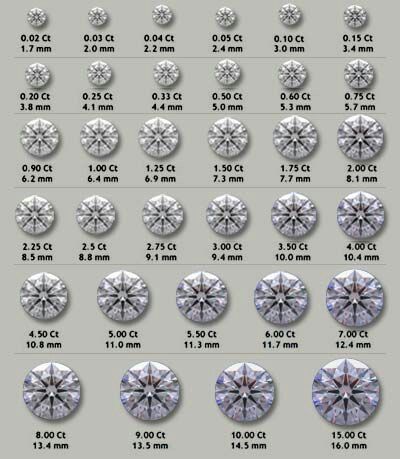
When it comes to choosing the perfect diamond for a ring, pendant, or any piece of fine jewelry, understanding the diamond chart is just as essential as knowing your gemstone source. With more couples and collectors turning to lab created diamonds, having a solid grasp of how diamonds are graded—and how lab-grown options compare to mined ones—is crucial for making an informed, ethical, and beautiful purchase.
What Is a Diamond Chart?
A diamond chart is a visual or tabulated reference that outlines the standard grading criteria used to evaluate diamonds. These charts are based on the “4 Cs”: Cut, Color, Clarity, and Carat. They allow buyers to understand how a diamond’s quality is assessed and how one stone compares to another.
Organizations like GIA (Gemological Institute of America) and IGI (International Gemological Institute) use these benchmarks to provide consistent, credible certifications. Whether you are shopping for natural diamonds or lab created diamonds, these same grading systems apply.
The 4 Cs Explained with the Diamond Chart
Let’s break down each of the 4 Cs and how they’re represented on a standard diamond chart:
1. Cut
-
Definition: Refers to how well a diamond is faceted, proportioned, and polished.
-
Chart Range: Excellent → Very Good → Good → Fair → Poor
-
Effect: The better the cut, the more brilliance and fire the diamond will have.
For lab created diamonds, an excellent cut maximizes the sparkle, making it nearly indistinguishable from top-tier mined diamonds.
2. Color
-
Definition: Measures how colorless a diamond is.
-
Chart Range: D (colorless) to Z (light yellow/brown)
-
Effect: Colorless diamonds (D–F) are the most sought-after and valuable.
Lab created diamonds often achieve higher color grades due to the controlled environment in which they are formed.
3. Clarity
-
Definition: Indicates the presence of internal (inclusions) or external (blemishes) flaws.
-
Chart Range:
-
FL (Flawless)
-
IF (Internally Flawless)
-
VVS1–VVS2 (Very Very Slightly Included)
-
VS1–VS2 (Very Slightly Included)
-
SI1–SI2 (Slightly Included)
-
I1–I3 (Included)
-
Lab-grown diamonds usually feature fewer inclusions, which results in higher clarity grades and more value for your money.
4. Carat
-
Definition: The weight of the diamond.
-
Chart Info: 1 carat = 200 milligrams
-
Effect: Higher carat weight often means a larger and more expensive diamond, though brilliance and cut also affect how big it appears.
Because lab created diamonds are more affordable, shoppers can often afford larger carat sizes at lower prices.
Why Lab Created Diamonds Are Revolutionizing the Industry
Lab created diamonds are real diamonds formed in laboratories using advanced technology that replicates the Earth’s natural processes. There are two primary methods of creation:
-
HPHT (High Pressure High Temperature)
-
CVD (Chemical Vapor Deposition)
These stones are chemically, physically, and optically identical to mined diamonds. The primary difference lies in their origin—not their structure.
Key Advantages:
-
Ethical sourcing: No mining means no environmental disruption or human rights concerns.
-
Eco-friendly: Far lower carbon footprint compared to traditional mining.
-
Affordable: Typically 30–50% less expensive than natural diamonds.
-
Customizable: Grow diamonds to specific size, shape, and quality preferences.
Interpreting a Diamond Chart for Lab Created Diamonds
Because lab created diamonds are graded on the same scale as mined diamonds, the diamond chart still applies in full. However, buyers should know:
-
Lab diamonds often achieve better clarity and color due to their controlled formation.
-
You can often afford higher grades (like VVS1 clarity or D color) in a lab-grown diamond for the same budget as a lower-graded mined stone.
-
Certification from reputable labs (e.g., IGI or GIA) ensures quality and authenticity.
How to Read a Diamond Chart: A Visual Example
Here’s a simplified version of a diamond chart to help you understand how diamonds are rated across the 4 Cs:
| Grade Type | Top Grade | Mid-Grade | Lower Grade |
|---|---|---|---|
| Cut | Excellent | Good | Fair |
| Color | D–F | G–J | K–Z |
| Clarity | FL–IF | VS1–VS2 | SI2–I3 |
| Carat | 1.0+ ct | 0.5–0.9 ct | < 0.5 ct |
This chart applies equally to both natural and lab created diamonds, so knowing it puts you in a strong position to assess value no matter the source.
Common Misconceptions About Lab Created Diamonds
1. They’re fake.
Absolutely not. Lab created diamonds are chemically and physically identical to mined ones. They are not cubic zirconia or moissanite.
2. They don’t hold value.
While resale value is generally lower (like with mined diamonds), the initial cost savings and ethical benefits often outweigh this for most buyers.
3. They’re not certified.
They are! Reputable labs like GIA and IGI provide certifications for lab-grown stones using the same criteria applied to mined diamonds.
Choosing the Right Lab Created Diamond Using a Diamond Chart
To make the best choice:
-
Start with cut – it’s the biggest factor in beauty.
-
Aim for G–H color or better for a near-colorless look.
-
Go for VS2 clarity or better to ensure it’s eye-clean.
-
Select a carat weight based on your finger size and budget.
Because lab created diamonds offer better value, you can often upgrade on all fronts without exceeding your budget.
Real-Life Example: $3,000 Budget
Here’s how a $3,000 budget might compare between a mined and a lab diamond:
| Type | Cut | Color | Clarity | Carat | Price |
|---|---|---|---|---|---|
| Mined Diamond | Very Good | H | SI1 | 0.80 ct | $3,000 |
| Lab Created Diamond | Excellent | F | VS1 | 1.20 ct | $2,900 |
With lab created diamonds, you get better quality across the board for the same price.
Diamond Shapes and the Chart
The diamond chart and grading system applies to all shapes—round, princess, oval, cushion, emerald, pear, and more. However, different shapes highlight color and clarity in different ways.
-
Round: Hides inclusions and color best
-
Emerald: Needs high clarity due to large table
-
Oval & Pear: May show color near the tips
Use your understanding of the diamond chart to match the best grades with your preferred shape, especially when buying lab created diamonds.
Conclusion: Let the Chart Guide You to the Right Diamond
Whether you’re choosing a mined diamond or one of the many stunning lab created diamonds available today, the diamond chart is your most valuable tool. It enables you to assess quality confidently, compare options effectively, and make a choice that reflects your style, ethics, and budget.
Lab created diamonds are not just a trend—they’re a smarter, kinder future for the jewelry world. Pair them with your understanding of the diamond grading system, and you’re well on your way to finding a diamond that truly shines in every way.